
A Comprehensive Guide to Knurling
While choosing the components for your machine, have you ever wondered why there are certain shapes or designs? We bet you have wondered that for millions of times but got no answers. This is where this guide will help you know why there are certain patterns, how they prove useful, and how that design takes place. As you are building your machine or require components for one thing or another, trusting a reliable exporter and manufacturer of brass components is a crucial aspect.
At times when you face difficulty in finding the right manufacturer of brass components, this guide provides the rightful assistance. We are a leading brass manufacturer and exporter in Jamnagar. We established our brand a decade ago and have served various domestic as well as international clients. Sneh Metal Alloys is a reputable and reliable brass manufacturer. We have a wide range of products, and we can also customize our products as per your requirements. Our range of products also includes brass knurling rods. Hence, this guide will provide you with the rightful knowledge about knurling and everything related to it.
Knurling definition, how it works, and its use cases.
At times when you have to choose the brass knurling rods, it is important that you know everything about them. Let’s start this guide and read about it.
What is Knurling?
Knurling is a machining process mainly used in manufacturing. This process creates a textured pattern on the surface of a metal. The knurling process offers three core features: it provides a grip area where you hold equipment, provides a decorative finish on the part, and prepares parts to fit into the product. In most cases, it is often applied to plastic mold tooling to form the knurling effect on the application.
The knurling pattern in the early days was used by blacksmiths for textured grips and patterns. Once the lathes are invented, they redefine the accuracy and precision of knurling patterns and, hence, enhance the industry growth and requirement. Then, in the 19th century, Swiss watchmakers used it for decorative purposes. And in present times, there are CNC machines used for knurling and manufacturing the brass components.
What are the types of knurling processes?
Mainly, there are two types of knurling processes. We are listing them here for your ease. However, the type of knurling process depends on the texture, material and specific requirement.
- Machine: Machine knurling takes place using a lathe or milling machine. This process usually takes place on the plastic mold tool and creates a knurling pattern on the required part.
- Hand: This process takes place with a hand tool, in which a rolling element hand tool is clamped around the cylindrical parts of the component. A person rotates it by hand and adjusts the pressure on it. In the early days, people were performing the task with their hands and creating patterns and engravings.
Different types of knurling patterns.
As you are wondering about knurling pattern types, there are mostly three cylindrical patterns.
- Straight Knurling: This straight knurling pattern offers the visuals of a linear pattern or parallel lines from the start to the end. This pattern offers a tight fit to the components.
- Annular Rings: This pattern is also recognized as helical groove knurling. It offers a decorative purpose for thumbwells. However, it also offers a tight grip.
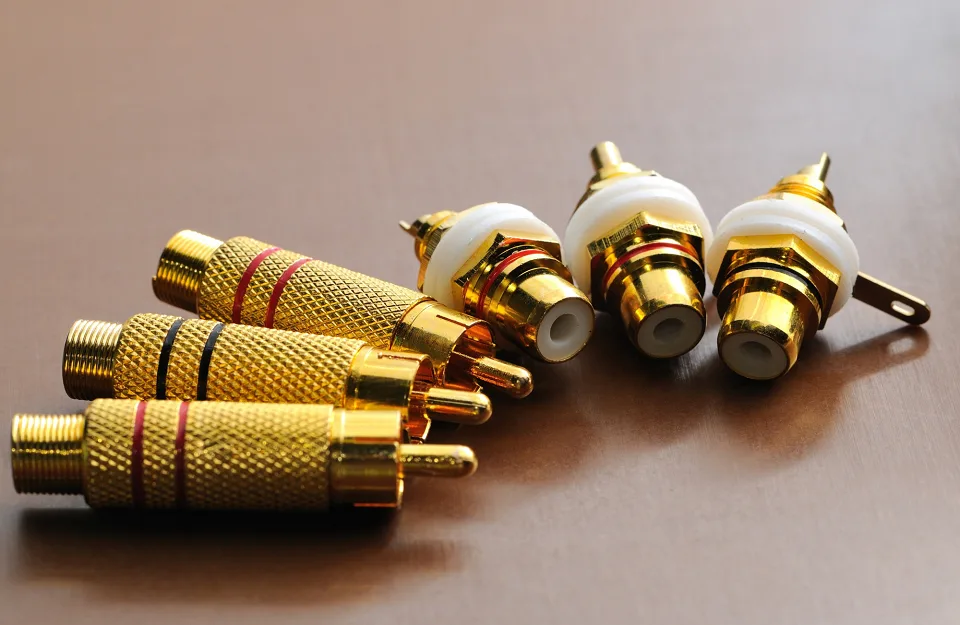
- Diamond Knurl: This pattern is created by the distinctive crisscross patterns that give the appearance of a diamond-shaped design on the rods.
These are the knurling pattern types that offer a tight grip or, at times, also offer decorative designs on rods or other components.
Which materials can be knurled?
If you are wondering about knurling materials, then steel and brass are the two materials that can undergo the plastic knurled deformation. If you want knurling for decorative purpose then roller and cut knurling can be applied to various materials. It can be done on leather, paper, glass, precious metals, hard engineering metal and wood.
Benefits of Knurling.
As you knurl certain components, there are various benefits you add to your products.
- It offers a good grip on machines and hand instruments and mitigates wear.
- This material usually has a lower cost.
- Offers a visually appealing surface.
These are some of the benefits of knurling.
Why connect with Sneh Metal Alloys for your brass knurling rod requirement?
Connecting with Sneh Metal Alloys proves to be the smart decision, as you get everything in one place, such as brass squares, brass rods, brass billets, gunmetal alloys, copper alloy ingots, etc. At the same time, our team can manufacture the components as per your precise size and shape. Hence, connecting with us, you ensure that the investment is worth spending. Additionally, if you require it, we also offer you the rightful assistance to buy components for your application.
Conclusion
Having a reliable manufacturing partner makes you stress-free, as you know that the product you will get will be of high quality. At the same time, we offer you precision and customization, too. We have been in the industry for more than a decade and hence, we know every requirement for almost all the products and provide you with the same thing. Connect with us today, and we will ensure that you get what your machine deserves.
