
Best Brass Rod Applications and Benefits for Your Projects
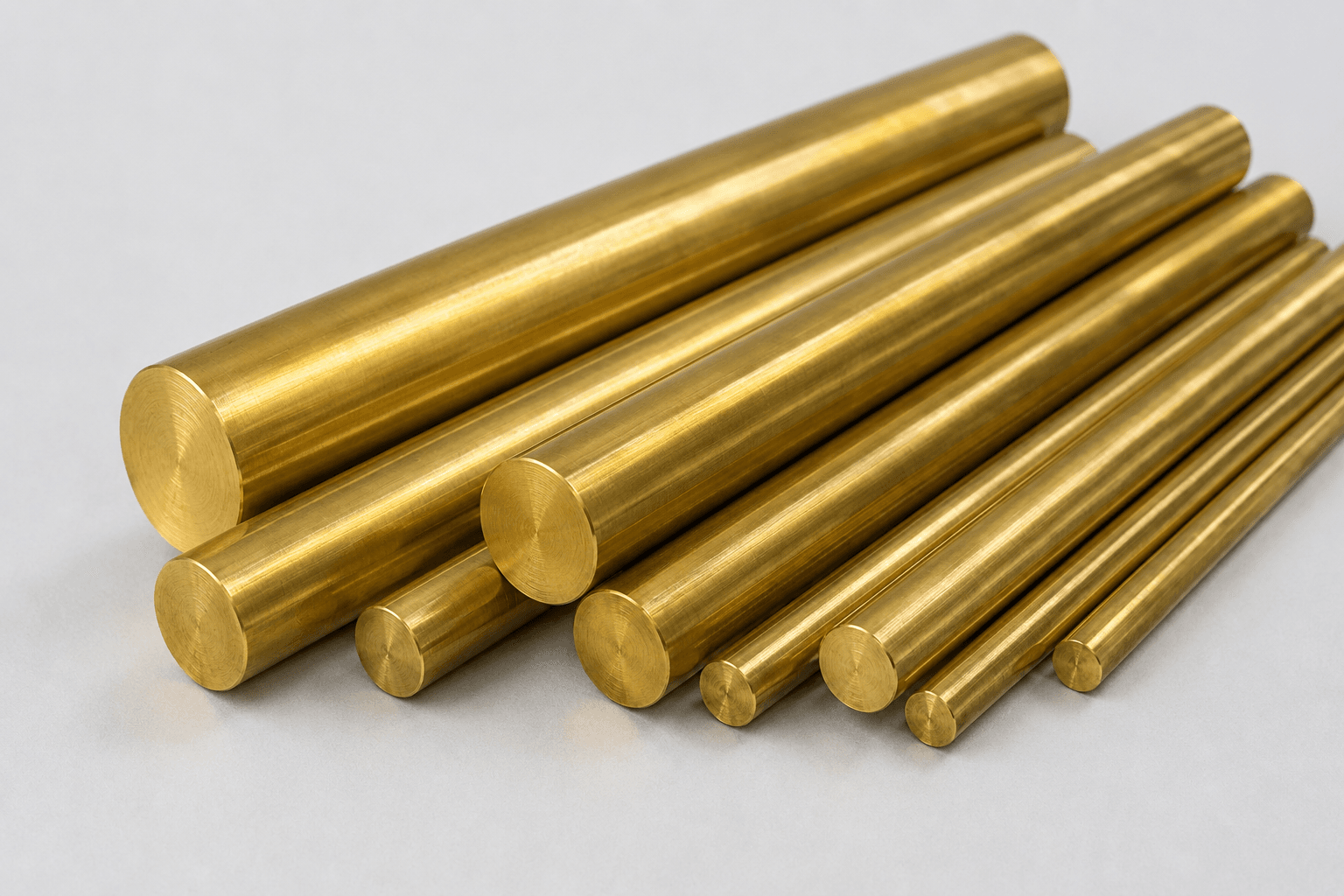
Brass rods have remained one of the most trusted non-ferrous materials across industries for a reason. They combine strength, corrosion resistance, machinability, and an attractive finish in a single material, which makes them suitable for everything from plumbing components to precision-engineered parts.
But not all projects have the same requirements, and not every brass rod is the right fit for every application. Understanding where brass performs best and how different alloys support different industries can help you make a smarter material choice.
Why Brass Rods Continue to Be the Preferred Choice
Brass offers a unique balance of mechanical and functional properties that few engineering materials can match.
Key Benefits of Brass Rods
✔ Excellent machinability for precision components
✔ Good corrosion resistance in water and outdoor environments
✔ Reliable electrical and thermal conductivity
✔ Attractive finish for decorative applications
✔ High recyclability and long service life
These characteristics make brass rods a practical choice for industries looking for performance, durability, and manufacturing efficiency.
Did You Know?
Free-machining brass alloys such as C36000 are widely used for high-volume CNC machining because they offer excellent chip control and faster production without compromising component quality.
Common Applications of Brass Rods
Brass rods are used across a wide range of industries because their properties suit different engineering challenges.
| Application | Why Brass Works |
| Plumbing & Valves | Excellent corrosion resistance and long-term durability in water systems |
| Electrical Components | Good electrical conductivity combined with easy machining |
| HVAC Systems | Reliable heat transfer and corrosion resistance |
| Marine Equipment | Special brass grades offer improved resistance to seawater environments |
| Decorative Hardware | Attractive golden finish with excellent polishability |
| Precision Engineering | High machinability allows accurate, repeatable component production |
Rather than relying on a single alloy, manufacturers often choose different brass grades based on the operating environment, machining requirements, and performance expectations.
Why Quality Matters as Much as the Material
Selecting the right brass alloy is important, but the way that material is manufactured can be equally significant. Precision engineering depends on consistency, and even small variations in dimensions or material quality can affect machining, assembly, and the performance of the finished product.
This is why experienced manufacturers place as much emphasis on quality control as they do on material selection. Consistent production standards help make sure brass rods deliver the strength and reliability they are expected to provide, which makes them a dependable choice for demanding industrial applications.
What to Look for Before Buying Brass Rods
A brass rod should be evaluated on more than price alone.
Before sourcing, consider:
- The appropriate alloy grade for your application
- Required dimensions and tolerances
- Surface finish requirements
- Compliance with relevant industry standards
- Material consistency and quality testing
- Availability of customised sizes or profiles
Working with a manufacturer that can supply application-specific solutions helps minimise production issues and ensures consistent performance throughout the project.
The Bottom Line
Brass rods continue to be one of the most versatile engineering materials because they combine durability, machinability, corrosion resistance, and long-term reliability in a single product.
Whether you’re manufacturing plumbing fittings, electrical components, marine hardware, or precision-machined parts, selecting the right brass alloy can significantly improve both product performance and production efficiency.
At Sneh Metals, we manufacture brass rods in multiple grades, sizes, and profiles to support diverse industrial applications. With a focus on quality, consistency, and customer-specific manufacturing, we help businesses source brass solutions that match their exact project requirements.
Looking for the Right Brass Rod for Your Application?
Contact Sneh Metals to discuss your specifications, alloy requirements, and custom brass rod solutions for your next project.
