
Industrial Brass Ingots: Applications and How to Choose a Supplier
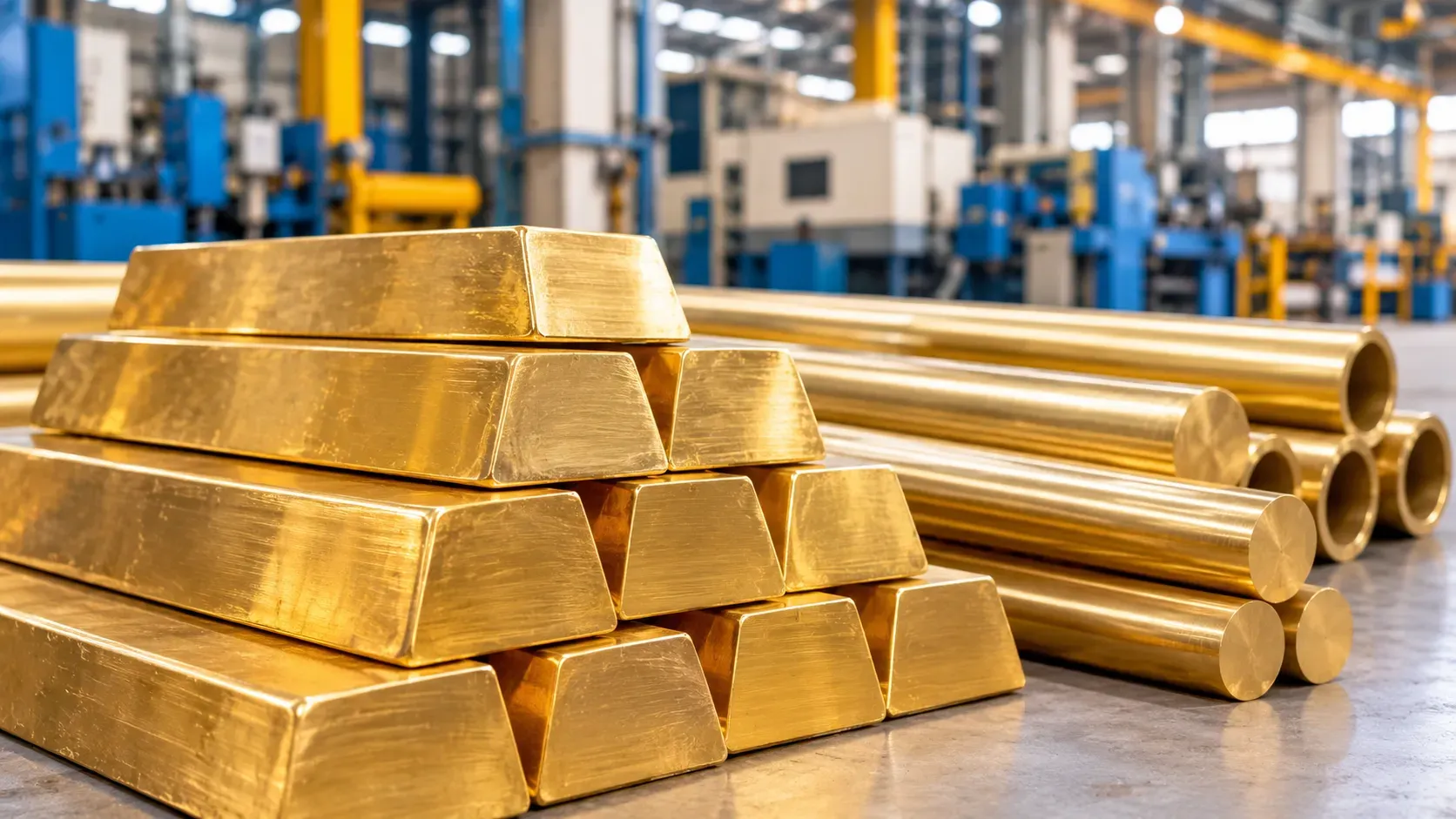
Brass ingots are the starting point for a huge range of metal parts, which makes them a core brass raw material in industrial manufacturing. Made from copper and zinc, industrial brass ingots can be tuned for different jobs, then cast or extruded into everything from valve bodies to electrical fittings. Sneh Metal Alloys explains what to know before you buy.
What Are Brass Ingots and How Are They Made?
Brass ingots are cast blocks of brass, an alloy of copper and zinc. Makers melt the base metals, adjust the mix to the target alloy, then pour the molten brass into moulds, where it cools and solidifies into ingots. Brass billets are the round equivalent used for extrusion. The recipe changes with the job, because the ratio of copper to zinc, plus small additions such as lead for easier machining, depends on the intended application. For a deeper look at the alloy, read our guide to what brass is.
Key Properties of Brass Ingots That Make Them Ideal for Industrial Use
These brass ingot properties explain why manufacturers keep returning to the alloy:
- Machinability: free-cutting grades machine cleanly, which speeds up turned parts.
- Corrosion resistance: brass stands up well to water and many everyday environments, although grade selection matters.
- Electrical and thermal conductivity: conductivity suits connectors, terminals and parts that handle heat.
- Strength and formability: brass can be cast, hot worked and extruded into precise shapes.
- Recyclability: brass can be remelted and reused, which supports material recovery.
What Are Brass Ingots Used for in Industrial Manufacturing?
Brass ingot applications cover a wide span of industries. Typical uses include:
- Automotive and engineering components that need strength and precise machining.
- Electrical fittings and connectors where conductivity matters.
- Plumbing components and industrial valves that handle water and pressure.
- Architectural hardware and fittings valued for finish and durability.
- Brass extrusion rods and profiles, where ingots and billets are the feedstock that gets heated and pressed into bars, hollows and custom sections.
Because the end product decides the alloy, buyers usually specify the grade first and then work back to the ingot.
How to Choose the Right Brass Ingot Manufacturer and Supplier
A dependable brass ingot manufacturer or brass ingot supplier keeps your production steady. Check these areas:
- Alloy composition and material specifications: confirm the grade and standard your parts need.
- Dimensional requirements: ingot and billet sizes should suit your furnace or extrusion setup.
- Quality checks and consistency: ask how composition is tested and whether batches stay consistent.
- Manufacturing experience: a record with industrial buyers shows in the details.
- Customisation and supply reliability: can they supply made-to-order sizes on schedule?
Why Choose Sneh Metal Alloys for Brass Ingots?
Sneh Metal Alloys is a Jamnagar brass manufacturer. It produces brass billets and virgin metal ingots alongside a wider brass range. Listed ingots measure 12 by 12 by 3 inches and billets have a 125 mm diameter, with other sizes available as per requirement. The company also makes brass bars and rods to IS, BS, and EN standards, plus hollow rods, flats and copper alloy ingots, so related materials can come from one source.
Conclusion
Good brass ingots start with matching the alloy and the supplier to the job. If you’re sourcing brass ingots or billets, share your requirements with Sneh Metal Alloys through the inquiry page.
